
V3.2 Aug 2024
Tunbridge Wells Creative Economic Strategy
Public Art
Public Art is a key component in the delivery of cultural provision, and a great leveller of access to culture. What could be more accessible than art, in the public realm – free to all.
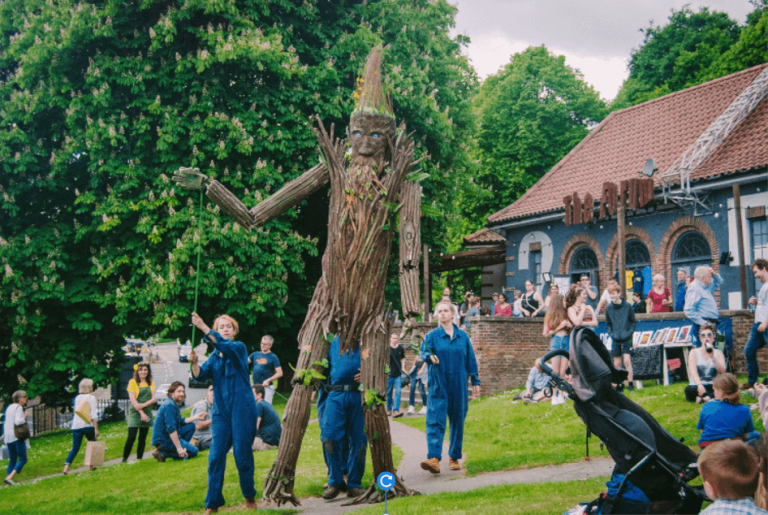
It is more than just a physical structure or installation – public art can be events, performance, engagement activities (e.g. a celebration of local heritage, a drama class, or an educational programme).
Public Art responds to the cultural needs and aspirations of a local community, making it a better, and more connected place to live. CTW and TWBC define
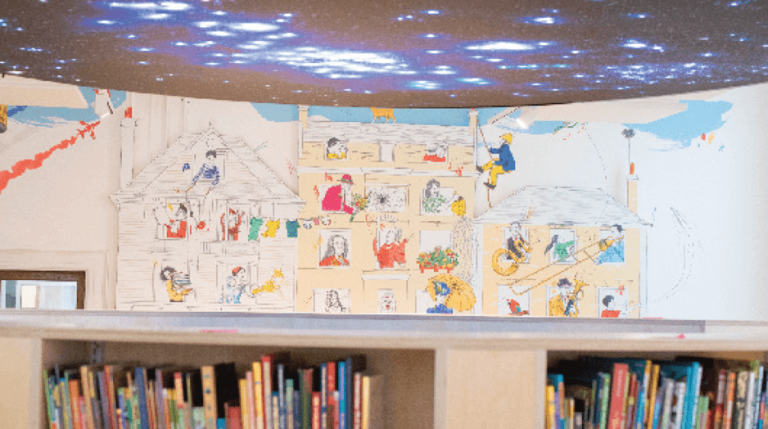
‘public art’ as ‘culture in the public realm’, which can relate to art, artists or heritage practitioners of many kinds creating permanent or temporary work in the community environment.
Successful Public Art resonates with a location, it’s place and context – it creates an opportunity for those using the site to engage with it. It is also important to recognise the power of public art to transform and regenerate the public realm in all settings – both urban and rural. Public art allows people to more easily fulfil their aspirations of living in a place which feels safe, of high quality and to access quality experiences on their doorstep – and overall it aids people in living well.
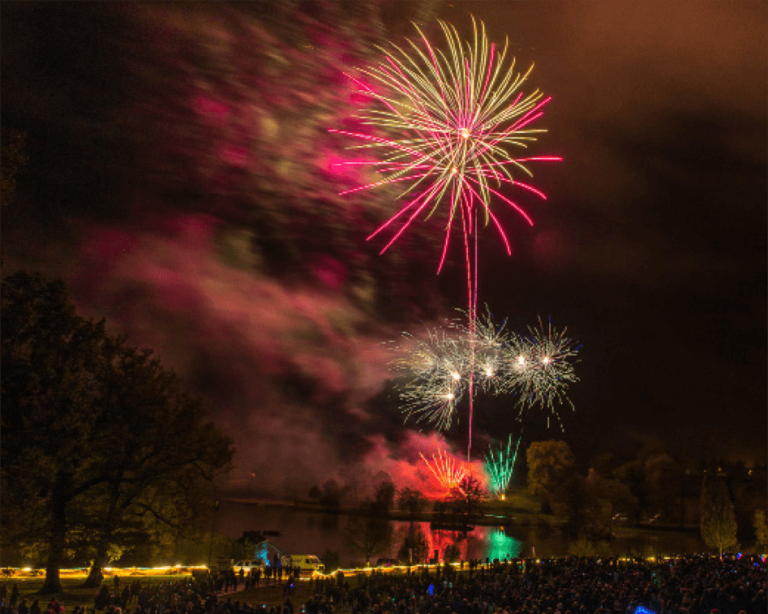
Tunbridge Wells is fortunate to have a number of free to attend festivals and other event activity within the town. With many of these performances taking place outside, it must be a priority to address the likely effect of climate change on these spaces and the types of events they can hold. Preparing these spaces now for prolonged drought and sudden heavy rain, will make them more able to cope with the changing weather to come. This will ensure they remain viable for use for public art.
Tunbridge Wells Borough Council’s Public Art Guidance document sets out the parameters for developer contributions within the Borough, in order to achieve some of the strategic aims of this document, CTW, and TWBC.