
V3.2 Aug 2024
Tunbridge Wells Creative Economic Strategy
Cultural Venues
The cultural venues in Tunbridge Wells—including the Assembly Hall Theatre, Trinity Theatre, Unity Hall Southborough, The Amelia Scott and The Forum — are vital pillars of the local community, each contributing uniquely to the town’s vibrant cultural landscape.
In order to continue playing their crucial roles, it is essential that these venues are protected and supported in both the short and long term. Each venue must prioritise having a strategic plan for the future, ensuring good governance and stable financial foundations. These elements are key to their sustainability, enabling them to adapt to changing circumstances and continue delivering high-quality cultural experiences to the community.
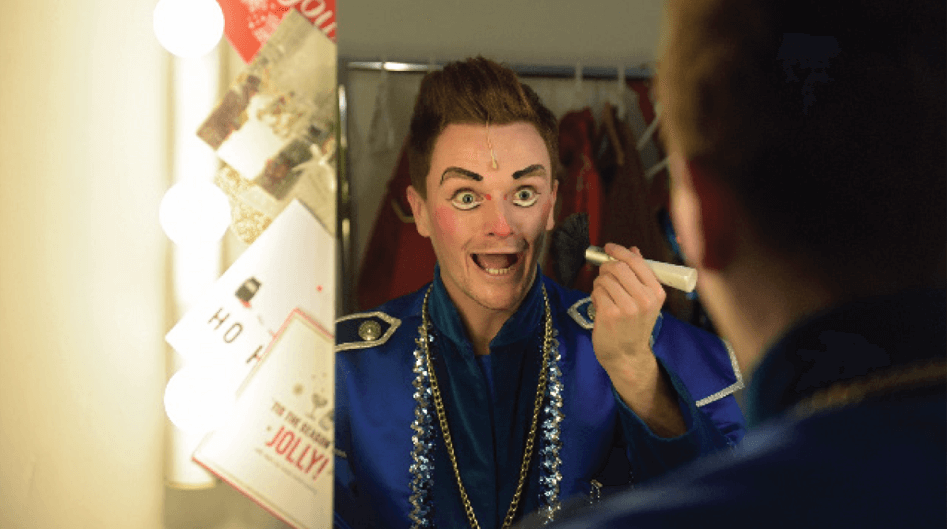
For the Assembly Hall Theatre, owned and operated by the local council, a forward-thinking strategy is necessary to maintain its position as a leading receiving house while also exploring new opportunities for growth and audience development. Trinity Theatre, with its strong community focus and active youth theatre, must continue to balance its charitable mission with the need to secure diverse revenue streams, ensuring it can sustain and expand its outreach programmes. The relationship between these key venues could be cultivated into a symbiotic and mutually beneficial one. Each venue of course has its own leadership and governance structures which should be respected and supported towards working with each other to create strategic plans that are in sync with each other. Folded into this work should be a cohesive strategy for the AHT and other programming including the alternative Christmas Show, The Literary Festival and the new Shakespeare initiative in Calverley Grounds.
The Forum, as a grassroots music venue of national importance, is a real asset to the town and serves an audience which other venues may find harder to reach. The music industry faces unique challenges as the sector adapts to new technologies and monopolistic tenancies. The live music scene in Tunbridge Wells is, of course, bigger than The Forum, with a number of pubs, cafés and other spaces offering a live music programme. There may be a benefit to creating a formal network between these venues. The Forum also has an established, if less formalised, outreach and engagement programme passing on key skills in music production – something which Creative Tunbridge Wells is keen to work with the Forum to build upon. Both Trinity Theatre and the Assembly Hall Theatre will need to programme music to have a balanced offering – working with each other and the Forum to ensure this is done sensitively will better serve audiences and the venues themselves.

Unity Hall Southborough, being a new and smaller venue, is at a crucial juncture where establishing a clear identity and long-term vision will be key to its success. This venue could serve an audience which may struggle to access other cultural venues. Applause’s inaugural Southborough Presents Programme (Supported by TWBC through the UK Shared Prosperity Fund, had encouraging results, and both Applause and Southborough Town Council are keen to expand the programme. This work is bringing culture at a price point and location which is accessible to the community that surrounds it, but it will need ongoing financial and strategic support to continue to grow.
In conclusion, the protection and support of Tunbridge Wells’ cultural venues are paramount to ensuring they continue to thrive. By focusing on strategic planning, good governance, and financial stability, and by embracing collaboration, these venues can secure their future and continue to enrich the cultural life of the community for years to come.