V3.2 Aug 2024
Tunbridge Wells Creative Economic Strategy
Culture & Heritage
The Cultural and Heritage sectors hold a distinct place within the Creative Economy, marked by their deep-rooted significance and unique characteristics. Unlike other sectors, they require a tailored approach that recognises their specific needs and potential. This distinction is crucial for formulating effective strategies that not only preserve and promote cultural heritage but also ensure its sustainable contribution to the economy and society.
The urgency for intervention in these sectors is driven by three key factors:
-
Social Impact & The Right to Cultural Access
Access to cultural and heritage activities is a fundamental human right, as recognised by various international frameworks. These sectors play a critical role in fostering social cohesion, national identity, and inter-cultural dialogue.
By providing inclusive access to cultural experiences, they contribute to a more equitable society where individuals and communities can connect with their heritage and traditions. The social impact of these sectors extends beyond economic metrics, touching on aspects of social well-being, education, and community engagement. Hence, targeted interventions are needed to enhance cultural access, particularly for more marginalised and under-served populations, ensuring that the benefits of cultural heritage are shared widely.
-
Gateway to Creative Careers: Beacons for Young People
Cultural and Heritage activities serve as gateways to creative careers and creative lives, particularly for young people. These spaces often act as the first point of contact with the broader Creative Economy, inspiring and nurturing the next generation of artists, curators, historians, and cultural managers.
By engaging with these sectors, young people can explore a wide array of career opportunities, gain valuable skills, and contribute to the preservation and evolution of cultural practices. Furthermore, these buildings and projects stand as beacons of cultural pride and creativity, providing young people with role models and pathways into fulfilling careers in the creative industries. It is therefore imperative to invest in these sectors not only for their preservation but also for their potential to empower and inspire future generations.
-
Subsidy: The Need for State and Philanthropic Funding
Cultural and Heritage sectors often rely more heavily on subsidies and philanthropic support than other areas of the Creative Economy. This dependency arises from the intrinsic nature of these sectors, which are often less commercially viable due to their focus on preservation, education, and cultural significance rather than profit.
Historical sites, museums, and traditional cultural practices typically operate with limited revenue streams, making them vulnerable to fluctuating income and underfunding. Strategic interventions are therefore essential to secure the financial sustainability of these sectors, ensuring they continue to serve as vital cultural repositories for future generations.
Cultural Anchors Group
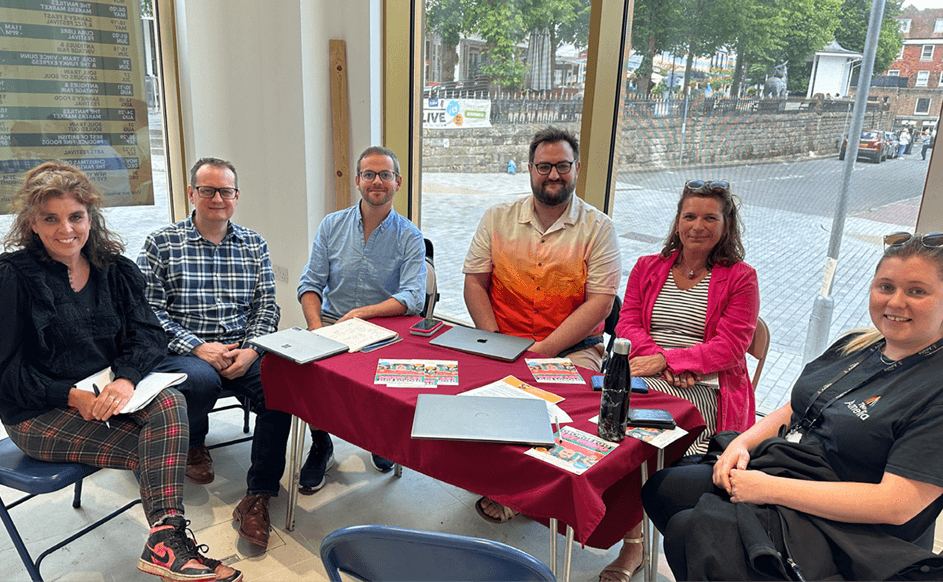
The establishment of the Cultural Anchors Group by Creative Tunbridge Wells marks a significant step towards fostering collaboration and unity among the major cultural and heritage institutions in the area. This Working Group provides a platform for these key players to engage in shared action where collective efforts can have a greater impact.
By exchanging best practices and lessons learned from previous projects, the group encourages a culture of continuous improvement and innovation. Collaborative working and cross-marketing initiatives not only enhance the visibility of each venue but also strengthen the cultural fabric of Tunbridge Wells as a whole. Additionally, the group’s united approach to addressing climate change demonstrates a commitment to sustainability. A new Programming Group will help to ensure fewer clashes, allowing audiences to be better served and creating space for each major venue to build its own distinct identity. This initiative helps these important venues to see each other more collegiately and less as competitors, ultimately driving a more cohesive and resilient cultural sector in Tunbridge Wells.
The Cultural Anchors Group is made up by:
Trinity Theatre
Assembly Hall Theatre
The Amelia Scott
The Forum
Applause (Southborough Presents)